How radio saves lives and preserves Indigenous languages | UNDRR
Summary
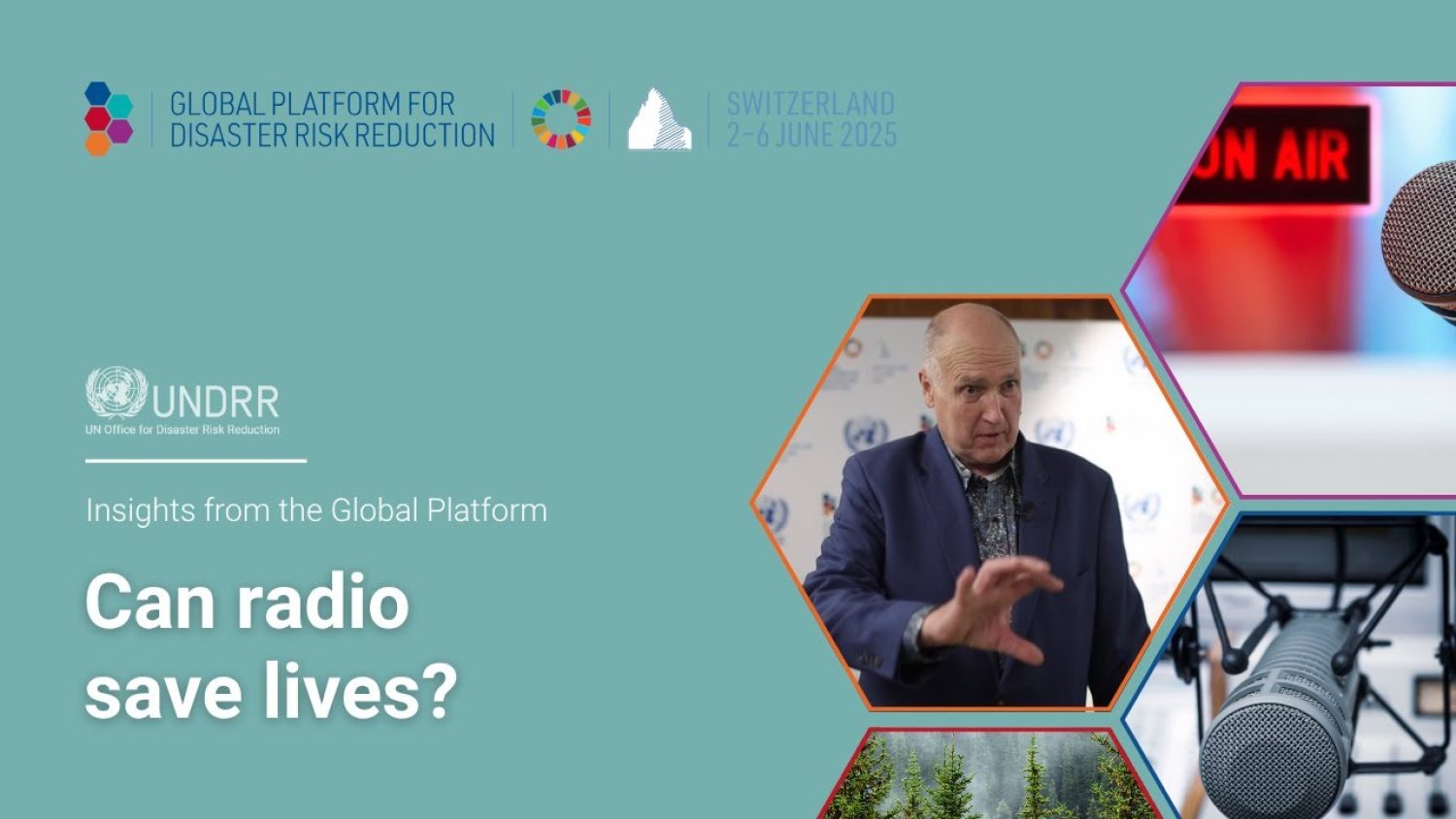
The video showcases how community radio, enabled by open-source software, provides vital emergency alerts while simultaneously preserving Indigenous languages. It highlights the dual role of radio in enhancing emergency preparedness and cultural sustainability in Canadian Indigenous communities.
Key Points
The video presents an innovative approach to emergency communication through community radio in Canada, developed by Robert G. Hopkins. This platform allows Indigenous communities to broadcast local programming alongside real-time emergency alerts, particularly during disasters like wildfires and floods. Notably, emergency notifications are disseminated in Indigenous dialects, followed by translations in French and English. This bilingual approach ensures that vital information reaches all community members, regardless of their language proficiency. The software is open-source, enabling widespread implementation across various Indigenous communities.
Context & Background
This initiative represents a significant intersection of technology and cultural preservation. Community radio serves not only as a lifeline during emergencies but also as a medium for sustaining Indigenous languages. By integrating emergency alert systems with community programming, the software enhances the capacity of local radio stations to respond promptly to disasters, thereby saving lives. However, specific details about the origins of the software or its developmental history were not provided.
Implications & Next Steps
The community radio model demonstrates how technology can effectively support disaster risk reduction and cultural resilience. This initiative is particularly relevant for public safety agencies, Indigenous community leaders, and technology developers focused on inclusive solutions. The potential for scaling similar initiatives to other regions or communities remains a critical next step. Data gap: follow-up timeline not stated.