Sri Lanka uses data to identify populations vulnerable to disasters
Summary
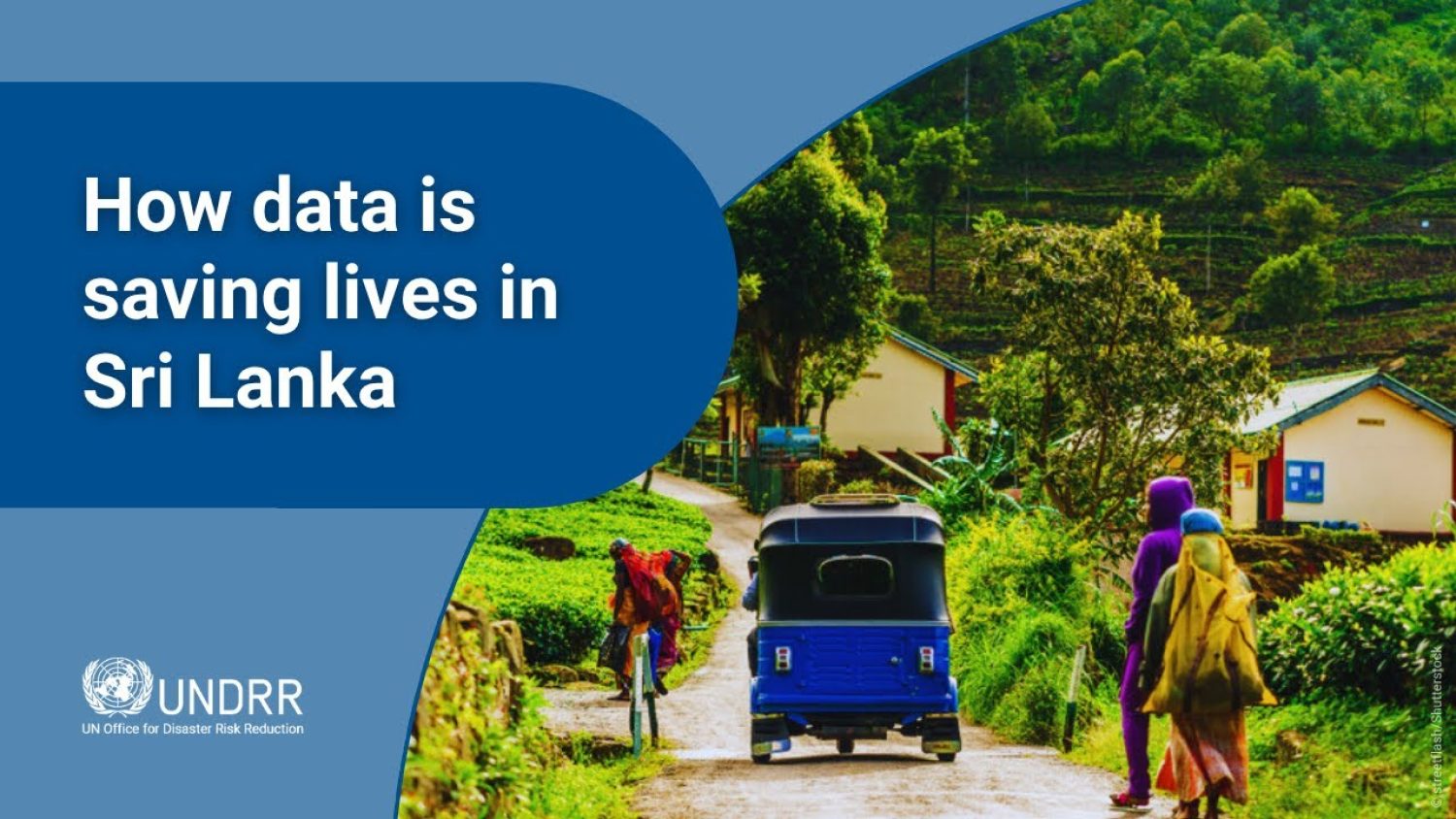
A video published by the United Nations Office for Disaster Risk Reduction (UNDRR) on July 1, 2025, outlines a data-driven approach to disaster risk management in Sri Lanka. The method combines historical records and national surveys with current data and future modeling to better identify and understand vulnerable populations. The primary takeaway for risk management experts is the emphasis on integrating socio-economic and historical impact data to enhance the accuracy and inclusivity of risk assessments, leading to more effective decision-making.
Key Points
The video, titled “How data is saving lives in Sri Lanka | UNDRR,” was published by the United Nations Office for Disaster Risk Reduction. The initiative described focuses on Sri Lanka, where this data-centric approach is being applied. The stakeholders involved include decision-makers responsible for disaster preparedness and the at-risk populations, especially those identified as “already facing hardship” (18:52).
The core activity involves a methodological shift in risk assessment. While progress has been made in modeling natural hazards, the video notes a persistent challenge in identifying vulnerable groups. The approach detailed uses “national surveys and historic records” (13:92) to analyze how past disasters have affected communities. This historical data, which reveals impacts on “homes, services and infrastructure” (27:72), is combined with present-day data and predictive future scenarios. This synthesis allows practitioners to test whether their predictive models align with real-world outcomes, thereby refining their understanding of risk.
The stated purpose of this methodology is to address a critical gap in disaster risk reduction. The transcript states that “knowing who is most vulnerable, and why is still a big challenge” (08:72). By grounding models in the documented experiences of affected populations, the goal is to develop a more nuanced and accurate “picture of risk” (38:12). This enhanced understanding is intended to facilitate better-informed and more equitable decisions, ensuring that preparedness and response efforts are inclusive and targeted effectively to protect all individuals at risk.
Data gap: The video does not specify the types of natural hazards being modeled (e.g., floods, cyclones, tsunamis). It does not name the specific national surveys or historical records used in the analysis. Furthermore, the “Country” field in the source data was blank, and there is no information on the specific government agencies or partners involved in the Sri Lankan initiative.
Context & Background
The video is framed by the operating philosophy of its publisher, the UNDRR. The organization asserts that there is no such thing as a “natural disaster.” Instead, a natural hazard event becomes a disaster only when it intersects with a community whose vulnerability is heightened by factors such as poverty, social exclusion, or inadequate protection. This perspective places the focus of risk reduction not only on the hazard itself but equally on the societal conditions that create vulnerability.
The UNDRR’s stated ambition is to equip global decision-makers to better comprehend and act upon risk. Building community resilience is presented as a prerequisite for achieving sustainable development and the 2030 Agenda. The Sri Lanka case study serves as a practical example of this philosophy in action. It illustrates a move beyond abstract hazard modeling toward a more granular, human-centered analysis. The approach aims to ensure that risk assessments reflect the lived realities of those most susceptible to harm, thereby making disaster risk reduction more effective and equitable.
Data gap: background not provided. While the UNDRR’s mission is clear, the video does not offer specific background on Sri Lanka’s disaster history, its existing risk management infrastructure, or the specific events that precipitated the adoption of this data-driven methodology.
Implications & Next Steps
For risk management experts and practitioners, the primary implication of the video’s content is the strategic value of integrating diverse data sources. The approach champions the use of historical and socio-economic data not as a secondary consideration but as a core component for validating and refining predictive hazard models. This methodology can help practitioners move beyond purely physical risk maps to create more dynamic and socially-aware vulnerability assessments. The focus on how past events impacted services and infrastructure offers a clear framework for identifying critical weaknesses in a community’s resilience.
The emphasis on “inclusive decisions” suggests that a key outcome of this work is the ability to better target resources and interventions. For public sector regulators and investors, this implies that funding for disaster resilience can be allocated more efficiently, with a clearer justification based on demonstrated vulnerability. By understanding the specific hardships faced by different segments of a population, policies can be designed to be more equitable and effective. The model presented in the video provides a template for other nations or regions seeking to enhance their own risk reduction strategies by leveraging existing national data sets.
Data gap: follow-up timeline not stated. The video does not mention specific policy changes that have resulted from this work in Sri Lanka, nor does it provide metrics for measuring the success of these “better, more inclusive decisions.” No information is provided regarding plans to scale this approach to other regions or what the next steps are for the initiative.
Disclaimer
This document is an analysis of publicly available information provided via the source URL (https://www.youtube.com/watch?v=2uV4yEY_DTg) and is intended for informational purposes for qualified risk management experts. The information presented herein is based solely on the data fields provided and does not constitute professional advice, endorsement, or a complete representation of the initiatives described. The platform provider does not guarantee the accuracy, completeness, or timeliness of the source material. All models, data, and future scenarios mentioned are subject to inherent limitations and uncertainties and should not be interpreted as definitive predictions of future events. This analysis was generated with the assistance of artificial intelligence technologies; while subjected to human editorial review, the output may contain unforeseen inaccuracies or misinterpretations of the source data. The platform provider, its affiliates, and its technology partners disclaim any and all liability for decisions, actions, or outcomes resulting from the use of this information. Users should conduct their own independent due diligence and consult with qualified professionals before making any risk management decisions.