


Assessing COVID-19’s Impact: Sendai Framework Monitors Global Risk Management
Strengthening Health Reporting in Disaster Risk Reduction: Insights from Recent Sessions
Introduction
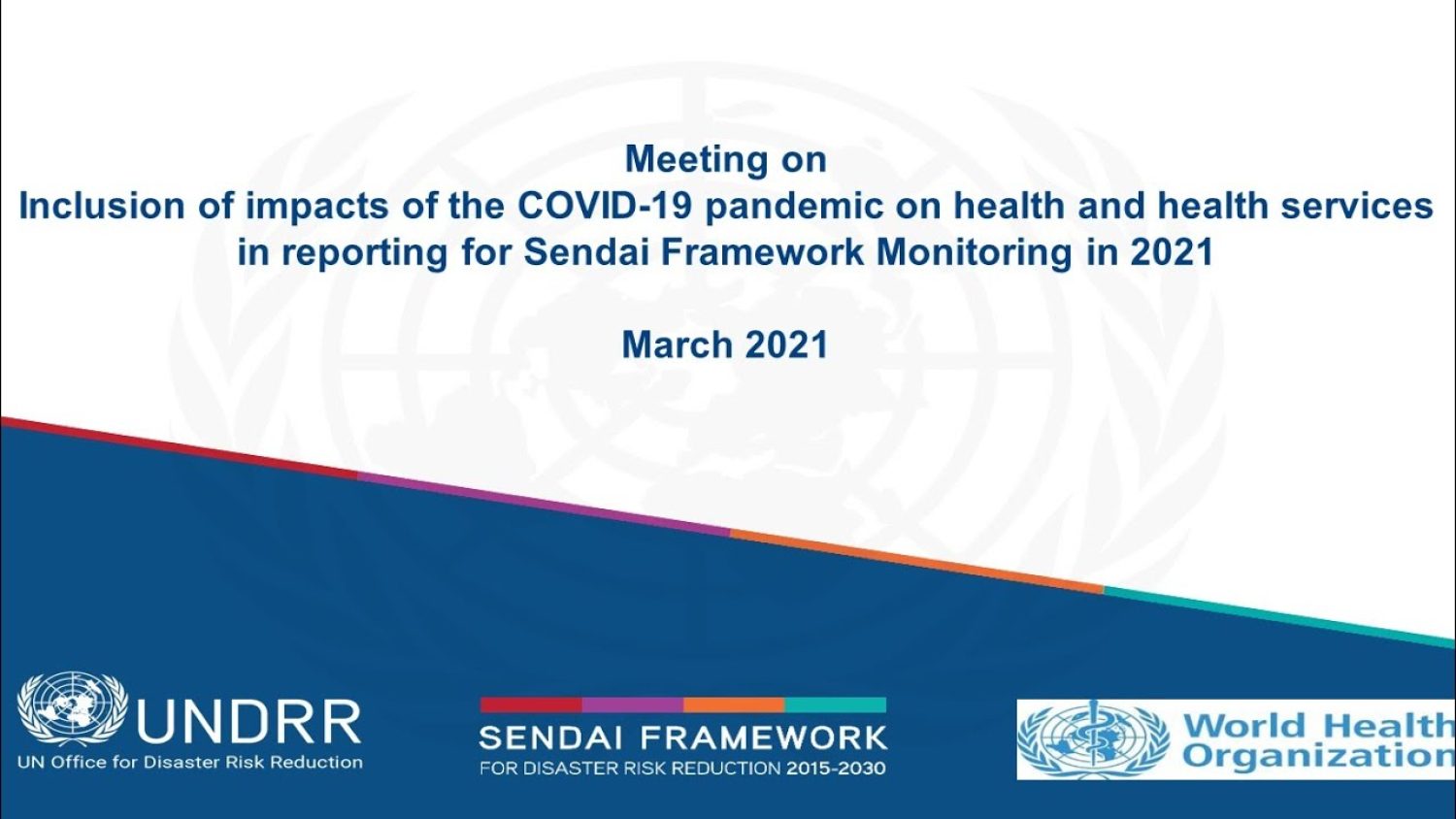
The COVID-19 pandemic has underscored the importance of integrated health responses within disaster risk reduction frameworks. Recent sessions hosted by the UN Office for Disaster Risk Reduction (UNDRR) and the World Health Organization (WHO) emphasized the need for improved data-sharing mechanisms between ministries of health and disaster risk management institutions, especially concerning the Sendai Framework for Disaster Risk Reduction monitoring.
Key Objectives of the Sessions
- Strengthening Coordination: Enhance engagement between Sendai Framework coordinating institutions and health ministries to improve disaster risk monitoring from a health sector perspective.
- Data Consistency: Ensure that the data reported by member states to WHO aligns with information sent to the Sendai Framework monitor, fostering complete and accurate reporting of disaster impacts, particularly from COVID-19.
- Sharing of Best Practices: Provide a platform for countries to share experiences on how they are adapting their health data reporting practices in the context of COVID-19.
Core Highlights
Overview of the Sendai Framework
- The Sendai Framework outlines global targets and priorities for disaster risk reduction through seven key indicators aimed at reducing disaster mortality, economic loss, and the disruption of essential services.
- It emphasizes the interconnectedness of health and disaster risk management, recognizing that health resilience is critical for sustainable development.
Health Sector Engagement
- COVID-19 Reporting: The necessity of including health impacts in disaster risk reporting was highlighted, with a special focus on three indicators:
- A2: Number of deaths attributed to disasters.
- B2: Number of people injured or ill due to disasters.
- D7: Disruptions in health services attributed to disasters.
- Countries are encouraged to use additional information boxes in reporting to provide gender, age, and other relevant demographic breakdowns.
Data Collection Barriers
- Challenges related to the collection and reporting of health data were discussed, particularly around the definition of cases and deaths attributed to COVID-19, which vary across contexts.
- WHO collects data using mechanisms such as case-based reporting and aggregate data systems, but there remains a need for countries to provide contextual details to improve accuracy and comprehensiveness.
Next Steps
- WHO and UNDRR will continue to facilitate communications between health ministries and Sendai Framework focal points to ensure that data collection methods are streamlined and consistent across platforms.
- Further training sessions are planned to support health colleagues in understanding their role within disaster risk management frameworks.
Conclusion
As we look to strengthen the collaboration between health and disaster risk reduction sectors, it is imperative that countries continue to foster open dialogues about data sharing. This will enable effective monitoring and response to current and future health crises. The sessions have laid a solid groundwork for integrating health data into disaster risk reduction efforts, ultimately aiming for safer, healthier communities worldwide.
Given the essential role of health in disaster risk management, the ongoing engagement and commitment from both health agencies and disaster management institutions remain crucial to creating a resilient future.