











UN to launch advanced disaster tracking system for countries in 2025
Summary
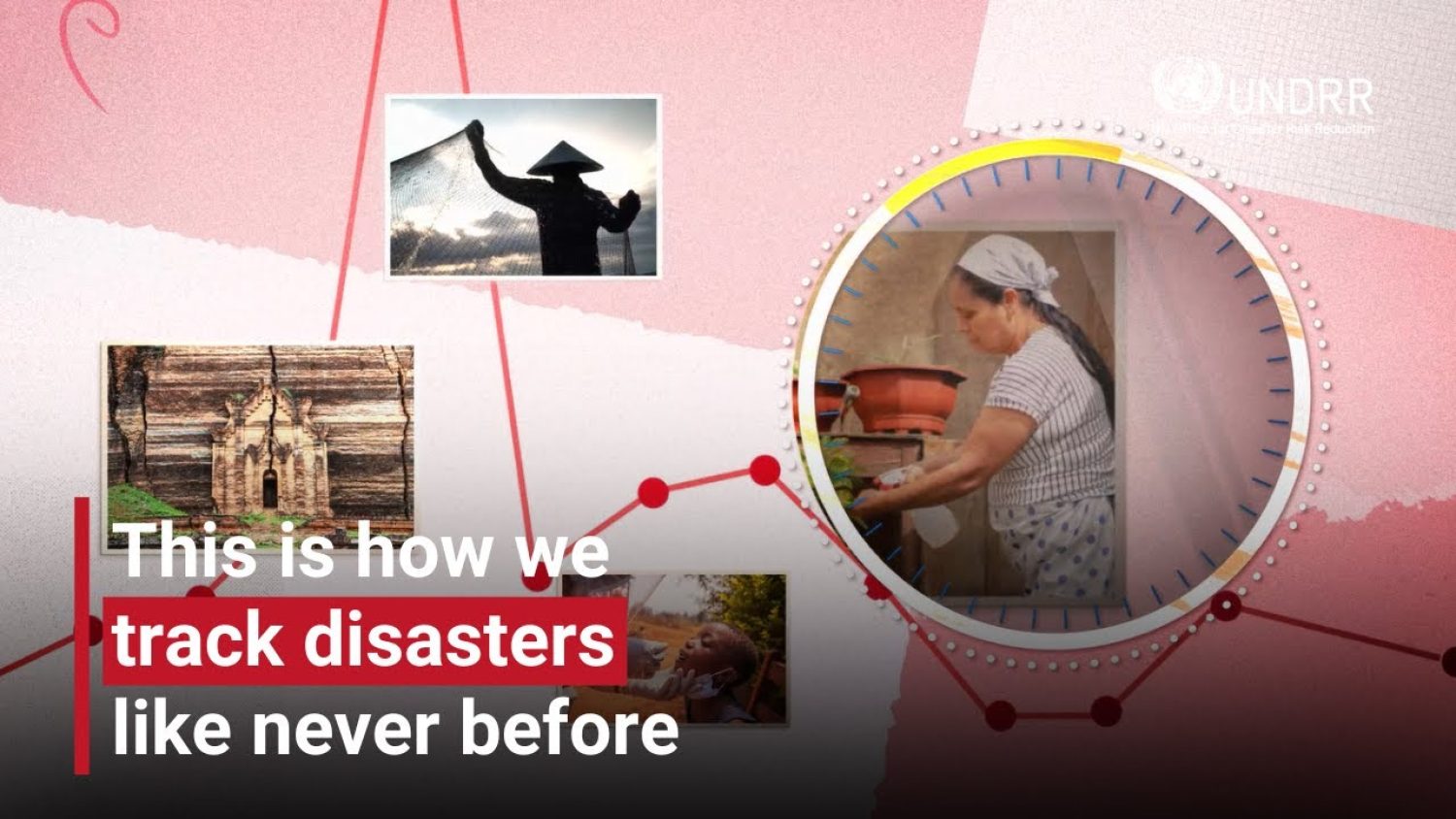
The United Nations Office for Disaster Risk Reduction (UNDRR) has announced the development of a new Disaster Tracking System (DTS), scheduled for launch in 2025. The system is designed to provide a comprehensive tool for countries to track and analyze the multifaceted impacts of disasters, extending beyond traditional economic metrics to include non-economic and environmental losses. The primary objective is to leverage improved data to inform risk-aware policies, enhance early warning systems, and build global resilience.
Key Points
Who: The United Nations is developing the system in conjunction with what are described as “key partners.” The initiative is presented by the UNDRR as an evolution of existing disaster monitoring tools. Data gap: The specific identities of the key partners collaborating with the United Nations are not mentioned in the provided materials.
What: The project entails the creation of an enhanced, “new generation disaster tracking system” (18.56) that builds upon the existing DES Inventar platform. The DTS is designed to explore disaster impacts across a wide range of sectors, including infrastructure, cultural heritage, and the environment. A significant feature is its capacity to “captures both economic and non-economic losses” (35.24), such as effects on biodiversity and public health. It is also engineered to monitor slow-onset events, such as land degradation, which cause substantial losses over time.
When: The enhanced DTS is slated for a global launch in 2025. Data gap: A detailed timeline for development milestones, beta testing, or a potential phased rollout prior to the 2025 launch is not provided.
Where: The system is intended for worldwide application, with the goal of helping all countries better track and comprehend disaster events. The materials suggest a global scope rather than a focus on specific regions. Data gap: The physical location for the system’s development team or its operational headquarters is not specified.
Why: The fundamental purpose of the DTS is to address the need for more sophisticated tools to understand the full scope of disaster impacts. By connecting hazard data with real-world outcomes, the system aims to provide decision-makers with the necessary context and insights for creating “risk informed policies and action, including early warnings” (68.28). The ultimate goal is to use better data to foster a “more resilient future” (88.16).
How: The DTS will reportedly use “cutting edge technology” to analyze how disasters unfold and to understand the differential impacts on various groups and systems. This involves a concerted effort to advance the “tools, standards and methodologies” used for tracking losses and damages. Data gap: The specific types of “cutting edge technology” being integrated into the system are not detailed.
Context
This initiative is positioned as a response to the persistent and widespread challenge of global disasters, which affect lives, economies, and ecosystems annually. The provided description highlights a recognized gap in the ability to effectively track and understand these varied losses. The DTS is presented as a direct solution, evolving from a foundational system known as DES Inventar. The core context is a strategic shift in disaster analysis, moving from a primary focus on immediate, quantifiable economic damage to a more holistic and inclusive framework. This new approach recognizes the significant, often-hidden costs of non-economic impacts and the cumulative damage from slow-onset events, aiming to provide a more complete picture of disaster-related vulnerability and loss. Data gap: background not provided on the specific features, history, or limitations of the DES Inventar system upon which the new DTS is being built.
Implications
For risk management experts, regulators, and insurers, the 2025 launch of the DTS could mark a significant step forward in data-driven risk assessment. The system’s explicit focus on tracking non-economic losses—such as impacts on public health, well-being, and biodiversity—provides a crucial new data stream for more comprehensive and sophisticated risk modeling. This can enhance the accuracy of vulnerability assessments and inform the development of more nuanced public policies and financial instruments. The ability to monitor slow-onset events like land degradation offers a valuable tool for analyzing and mitigating long-term, systemic risks that are often difficult to quantify and are typically excluded from traditional event-based loss accounting. By providing data that explains why certain populations and systems are affected differently, the DTS could enable practitioners to better address issues of equity in disaster resilience and recovery planning. The key follow-up action noted is the system’s launch in 2025. Data gap: follow-up timeline not stated beyond the 2025 launch year, and no details are provided regarding data accessibility, potential subscription models, or specific metrics that will be used to measure the system’s success.
Disclaimer
This article is a summary and analysis based on video content provided by the United Nations Office for Disaster Risk Reduction (UNDRR). The information presented herein is for informational purposes only and is intended for an audience of risk management professionals. The platform provider that generated this text makes no representations or warranties of any kind, express or implied, about the completeness, accuracy, reliability, suitability, or availability of the information contained in the source video or in this summary. Any reliance placed on this information is therefore strictly at the user’s own risk. This content does not constitute professional, financial, or legal advice. Users should consult the primary source material, available at https://www.youtube.com/watch?v=geUdbHqKAE0, and seek independent professional advice before making any decisions based on this information. The platform provider is not affiliated with the UNDRR and is not responsible for the content of external websites. This summary was generated with the assistance of an artificial intelligence model, which analyzed the provided data fields. While efforts were made to ensure factual adherence to the source material, the AI’s interpretation is not a substitute for human review of the original content. The platform provider disclaims all liability for any errors or omissions in this text, or for any actions taken in reliance thereon.