









UN: Climate disasters surge, threaten 19% of some incomes
Summary
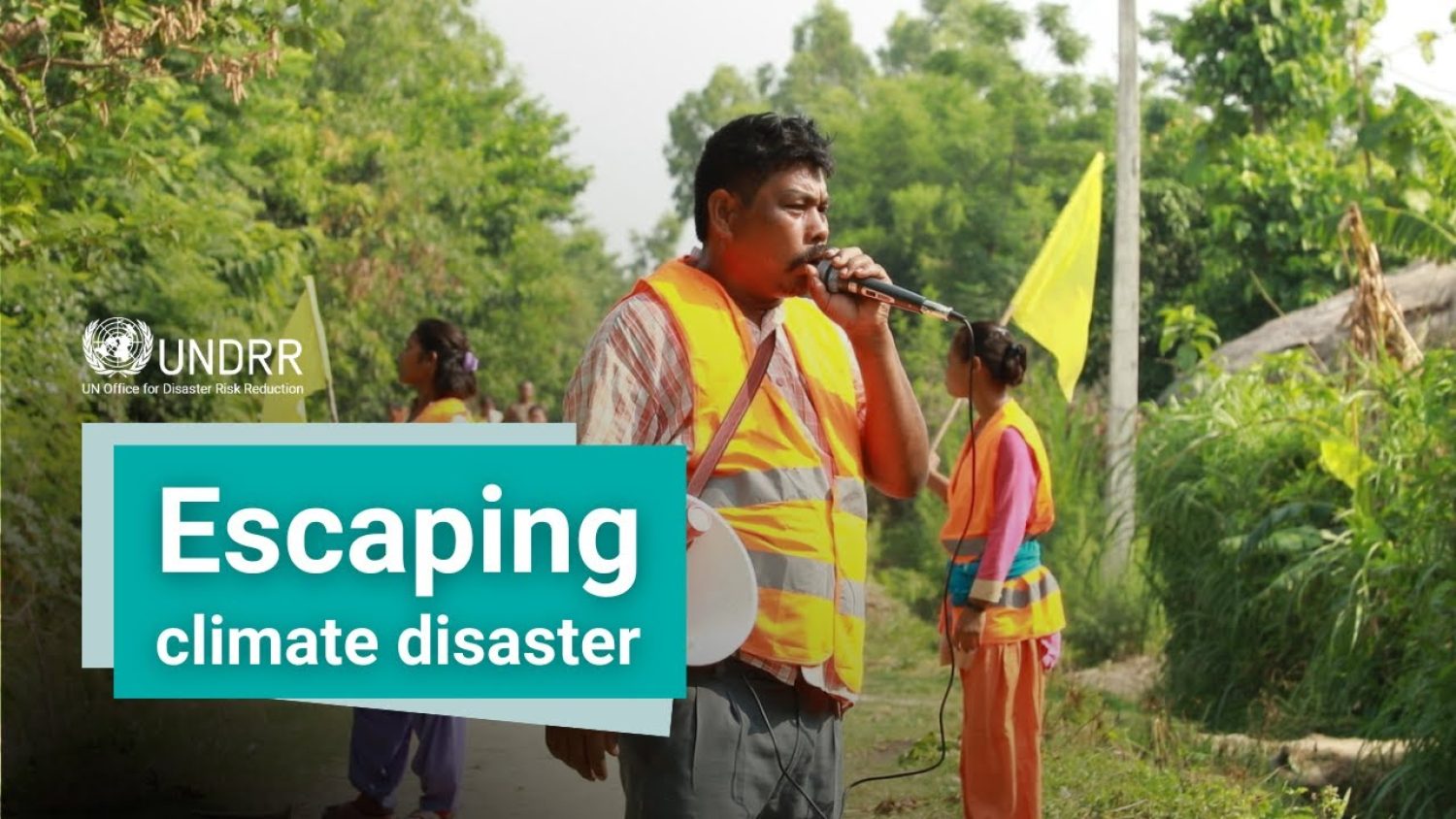
A video titled “Can we escape a future of worsening climate disasters? | GAR 2025 | UNDRR” presents an analysis of escalating climate-related disaster frequency and intensity since the pre-industrial era. The material, published by the United Nations Office for Disaster Risk Reduction (UNDRR), asserts that while projections indicate severe economic consequences, strategic actions in resilience, clean energy, and early warning systems can mitigate these outcomes. The core message is that proactive risk management, based on current climate data, is essential for protecting populations, economies, and the environment.
Key Points
The analysis provided by the UNDRR outlines a significant acceleration in specific climate-related hazards. It states that heatwaves previously categorized as “once in a century” events now occur with over 18 times greater frequency as of 2025. Similarly, the frequency of floods has increased by a factor of 2.5, and droughts have become nearly three times more common in certain unspecified regions. This quantitative data highlights a systemic shift in climate-related risk profiles, moving extreme weather events from rare occurrences to more regular threats that require a fundamental re-evaluation of risk management frameworks.
The material presents a stark economic forecast linked to inaction on climate change. Projections for the mid-century indicate that some nations face a potential loss of up to 19% of their income per capita. Such a significant economic impact is positioned as a critical threat to global development efforts, specifically noting that it could cripple progress toward the Sustainable Development Goals (SDGs). This links climate risk directly to macroeconomic stability and humanitarian progress, framing it as a central issue for national and international economic planners, investors, and development agencies.
Despite the severe projections, the UNDRR communication emphasizes that this future is not predetermined. It outlines a three-pronged strategic approach to alter the trajectory of climate-related risk. The proposed core actions are to: invest in resilience, expand clean energy infrastructure, and strengthen early warning systems. This solution-oriented framework suggests that targeted capital allocation and policy implementation can effectively reduce vulnerability and manage the impacts of the observed increase in climate disasters. The video positions these actions as the primary levers for shaping a more secure future. Data gap: The full video transcript, including raw timecoded data, was not provided, preventing direct quotation of speakers or narration for attribution.
Context
The video and its associated description are part of the promotional material for the UNDRR’s 2025 Global Assessment Report on Disaster Risk Reduction (GAR 2025). The UNDRR is the United Nations’ focal point for disaster risk reduction, coordinating efforts to implement the Sendai Framework for Disaster Risk Reduction 2015-2030. The Global Assessment Report is a flagship biennial publication that provides a comprehensive, evidence-based analysis of global disaster risk and its management. This context positions the video’s claims not as isolated statements but as key findings and messages from a major forthcoming international report on risk.
The analysis uses the “pre-industrial era” as its baseline for measuring the increase in disaster frequency and intensity. This is a standard reference period in climate science, typically referring to the years 1850-1900, used to measure the extent of anthropogenic climate change. By invoking this baseline, the UNDRR grounds its statistics in the established scientific consensus on climate change, attributing the surge in disasters to long-term shifts in the global climate system rather than short-term weather variability.
The reference to the Sustainable Development Goals (SDGs) places the issue of disaster risk reduction within the broader context of the 2030 Agenda for Sustainable Development. The SDGs are a collection of 17 interlinked global goals designed to be a “blueprint to achieve a better and more sustainable future for all.” The video’s warning that a 19% loss in per capita income could cripple progress toward these goals highlights the interconnectedness of climate risk with poverty reduction, economic growth, public health, and institutional stability. It argues that unmanaged climate risk will not only cause direct damages but will also fundamentally undermine the world’s primary development framework.
Implications
The information presented has significant implications for a wide range of stakeholders, necessitating a strategic and coordinated response. The data on increased disaster frequency serves as a critical input for updating risk models and insurance underwriting. For risk management practitioners, the statistics (e.g., 18x increase in heatwaves) must be integrated into scenario analysis, business continuity planning, and supply chain risk assessments. The economic projection of a potential 19% loss in per capita income for some nations provides a powerful financial justification for proactive investment in risk mitigation, shifting the conversation from a cost-centered approach to one focused on investment and return through avoided losses.
Policy Brief and Action Matrix:
Based on the three strategic pillars identified in the source material, the following action matrix is proposed for relevant audiences:
1. Invest in Resilience:
- Public Sector & Regulators: Implement and enforce updated building codes and land-use policies that account for increased flood and heatwave risk. Allocate public funds for retrofitting critical infrastructure (e.g., energy grids, water systems, transportation networks) to withstand more frequent extreme weather events. Develop financial instruments, such as resilience bonds, to fund large-scale adaptation projects.
- Investors: Integrate physical climate risk assessments into all investment decisions and portfolio management, using the provided frequency metrics as a baseline for stress testing. Re-evaluate asset valuations in high-risk regions. Identify and allocate capital to companies and funds focused on climate adaptation technologies, resilient infrastructure, and agricultural innovation.
- Practitioners (Risk Managers, Engineers): Update enterprise risk management (ERM) frameworks to explicitly quantify the financial impact of increased disaster frequency. Conduct detailed vulnerability assessments of key operational sites and supply chains. Advise on capital expenditure for physical asset hardening and operational redundancy.
2. Expand Clean Energy:
- Public Sector & Regulators: Create stable, long-term policy frameworks that incentivize private investment in renewable energy sources. Streamline permitting processes for clean energy projects. Implement carbon pricing mechanisms or emissions trading systems to accelerate the transition away from fossil fuels, which are the root cause of the described climate change.
- Investors: Divest from assets with high transition risk (e.g., fossil fuels) and increase holdings in the clean energy sector, including generation, storage, and grid modernization technologies. Engage with corporate boards to advocate for science-based emissions reduction targets.
- Practitioners: Assess and manage the risks associated with the energy transition, including potential disruptions to energy supply during the transition phase. Develop risk transfer solutions (e.g., insurance products) for new clean energy technologies and projects.
3. Strengthen Early Warning Systems:
- Public Sector & Regulators: Invest in the modernization of meteorological and hydrological monitoring networks. Ensure the development and implementation of multi-hazard early warning systems that reach all communities, including the most vulnerable (“last mile” connectivity). Foster international cooperation for sharing data and forecasts, particularly for transboundary risks like floods and droughts.
- Investors: Support ventures and technologies that improve predictive analytics and dissemination of warnings. View investment in such systems as a public-private partnership opportunity that protects broader economic assets and stability.
- Practitioners: Integrate advanced warning data into business continuity and emergency response plans. Develop protocols for acting on warnings, such as temporarily shutting down operations, evacuating personnel, and securing assets to minimize damage and ensure safety.
Data gap: The source material provides high-level strategic goals but does not include specific metrics, timelines, or detailed follow-up actions associated with the GAR 2025 report launch. The video description directs users to the UNDRR website for more information. Source URL: https://www.youtube.com/watch?v=E4GU83iYdaQ
Disclaimer
This document is an analysis based exclusively on the metadata (Title, Description) provided for a video published by the United Nations Office for Disaster Risk Reduction (UNDRR). The content of this article is intended for informational purposes for risk management experts and should not be construed as a complete or exhaustive representation of the full video content or the forthcoming GAR 2025 report. No access was provided to the video’s full transcript, audio, or visual elements; therefore, key context, nuance, and specific data points presented within the video itself may be absent from this analysis. The statistics and projections cited herein are presented as claims made by the source material and have not been independently verified. This analysis was generated with the assistance of an AI language model, which structured the information according to a predefined set of instructions and constraints. The platform provider does not warrant the accuracy, completeness, or timeliness of the information from the source video and accepts no liability for any loss or damage arising from any reliance on this analytical summary. Users should consult the source material directly and refer to the official GAR 2025 publication upon its release for authoritative information.