

The world is bracing for a defining event in the collective effort to combat escalating disaster risks. From June 2-6, 2025, in Geneva, Switzerland, the United Nations Office for Disaster Risk Reduction (UNDRR) will convene the Eighth Global Platform for Disaster Risk Reduction (GP2025)—an event that experts recognize as a pivotal moment in shaping global resilience strategies.
Hosted by UNDRR and the Government of Switzerland, this forum is not just another conference. It is a strategic assembly of thought leaders, policymakers, scientists, innovators, and communities committed to ensuring that disaster risk reduction (DRR) keeps pace with a rapidly evolving world. As the 2030 deadline of the Sendai Framework approaches, the stakes have never been higher.
With disasters intensifying, economies faltering under the weight of mounting losses, and vulnerable populations facing compounding risks, GP2025 must deliver transformative action—not just declarations of intent. Let’s explore why this event matters and what experts anticipate as the world races against time.
A World on the Brink: The Urgency of Now
Imagine a world where disasters are no longer isolated crises but interconnected catastrophes. Climate change is amplifying storms, wildfires, and floods, while urbanization expands human settlements into high-risk zones. Marginalized communities—already burdened by economic and social disparities—bear the greatest impact.
In 2023 alone, over 400 disasters affected more than 100 million lives, causing economic losses exceeding $200 billion. Yet, despite advances in technology and governance, gaps remain in financing, risk communication, and local preparedness.
The Sendai Framework for Disaster Risk Reduction (2015–2030) set out ambitious targets to mitigate these losses, but its 2023 Midterm Review exposed stark realities:
- While early warning systems have saved countless lives in places like Bangladesh, they remain out of reach for many vulnerable regions.
- Financing for proactive disaster risk reduction is still insufficient, reactive, and unequal.
- The world continues to view disasters as isolated events rather than symptoms of deeply rooted vulnerabilities.
Leading experts describe this as an era of “polycrisis”—where environmental, economic, and geopolitical shocks intertwine. “Systemic risk is the new frontier,” says a disaster risk analyst. “We need to stop treating disasters as one-offs and start addressing the cascading effects they trigger—power failures, food shortages, mass displacements.”
This is precisely where GP2025 will step in—to dissect, strategize, and accelerate solutions that redefine resilience in a world of interconnected risks.
Inside GP2025: What to Expect
GP2025 is structured to foster not only dialogue but also tangible action. Here’s how the event is set to unfold:
Preparatory Days (June 2-3, 2025)
- The Third Stakeholder Forum on DRR and the Global EW4ALL Multi-stakeholder Forum will convene diverse participants—from grassroots activists to government ministers and private sector leaders.
- These sessions will lay the groundwork for collaboration, ensuring that official discussions integrate on-the-ground realities and innovative solutions.
Official Programme (June 4-6, 2025)
04 Jun 2025
- 10:00 – 11:00 (UTC +2 Geneva) | CICG – Amphitheatre D
- MSP1: Regional progress on implementation of the Sendai Framework and MTR recommendations
- Multi-stakeholder plenary session assessing regional progress and challenges in implementing the Sendai Framework.
- 10:30 – 12:00 (UTC +2 Geneva) | CICG – Plenary A
- HLD1: Harnessing risk understanding for a safer future: Are we keeping up?
- High-level dialogue exploring the role of standardized risk information in reducing losses and supporting global DRR goals.
- 10:30 – 12:00 (UTC +2 Geneva) | CICG – Plenary C
- TS1-1: Understanding systemic risk in the age of polycrisis
- Thematic session showcasing how governments are evolving risk understanding systems.
- 14:00 – 15:30 (UTC +2 Geneva) | CICG – Plenary A
- HLD2: Strengthening disaster risk governance for transformative action and outcomes
- High-level dialogue emphasizing governance innovations and community-driven approaches.
05 Jun 2025
- 09:00 – 10:30 (UTC +2 Geneva) | CICG – Plenary A
- HLD3: What will it take to scale DRR financing at the national and local levels?
- Dialogue on addressing financial gaps in DRR, particularly in low-income countries.
- 11:00 – 12:30 (UTC +2 Geneva) | CICG – Plenary A
- TS1-3: Development and adoption of technologies to accelerate disaster risk reduction
- Thematic session exploring technological innovations, their obstacles, and opportunities for DRR.
- 14:30 – 16:00 (UTC +2 Geneva) | CICG – Plenary B
- TS1-4: Enhanced risk awareness, communication, and education for the whole of society
- Thematic session focusing on risk communication and accessibility of disaster risk information.
06 Jun 2025
- 09:00 – 10:30 (UTC +2 Geneva) | CICG – Plenary A
- HLD4: Advancing multi-hazard early warnings and anticipatory action
- Discussion on expanding multi-hazard early warning systems globally.
- 14:30 – 16:00 (UTC +2 Geneva) | CICG – Plenary C
- TS3-4: Advancing DRR localization through South-South and triangular cooperation
- Thematic session exploring regional and international collaboration for DRR.
Key Themes to Watch
GP2025 is structured around five core DRR pillars, each carrying significant implications for future policies and investments.
Risk Understanding: From Data to Decisions
Disasters don’t follow blueprints—but better data and risk modeling can help mitigate their impact. A key session will explore how:
- AI and machine learning can predict flood patterns and storm trajectories.
- Real-time data can be integrated into policy decisions.
- Open-access risk information can empower communities to act preemptively.
“We’re drowning in information but starved for insight,” says a leading risk modeler. GP2025 could set the stage for more accessible, actionable risk intelligence.
Governance: Strengthening the Backbone of Resilience
Effective DRR requires robust policies and multi-level coordination. Key discussions will examine:
- How governments can embed disaster risk reduction into national economic planning.
- Strategies to scale up cross-border cooperation, especially in climate-vulnerable regions.
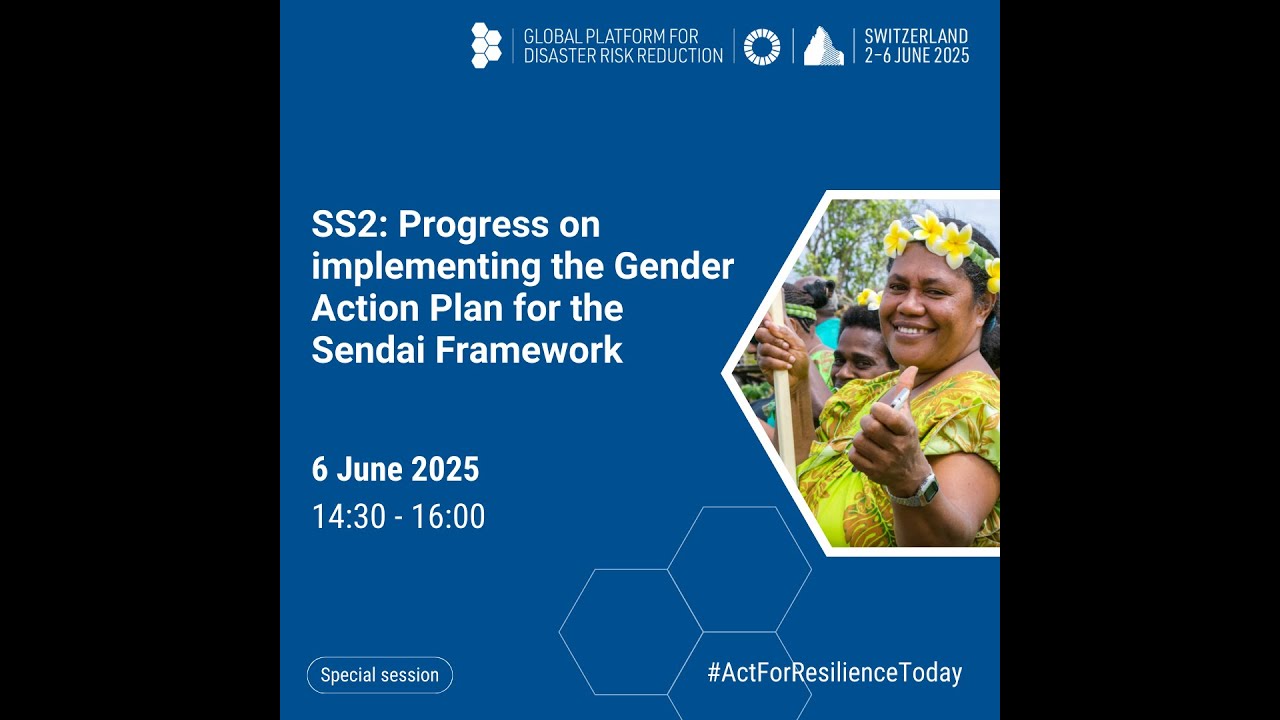
- The role of gender-responsive and community-driven governance in ensuring inclusive resilience.
Financing: From Rhetoric to Action
The economic case for DRR is clear: $1 invested in prevention saves $7 in response costs. Yet, financing remains a major roadblock. A dedicated session will explore:
- Innovative funding mechanisms like catastrophe bonds and resilience funds.
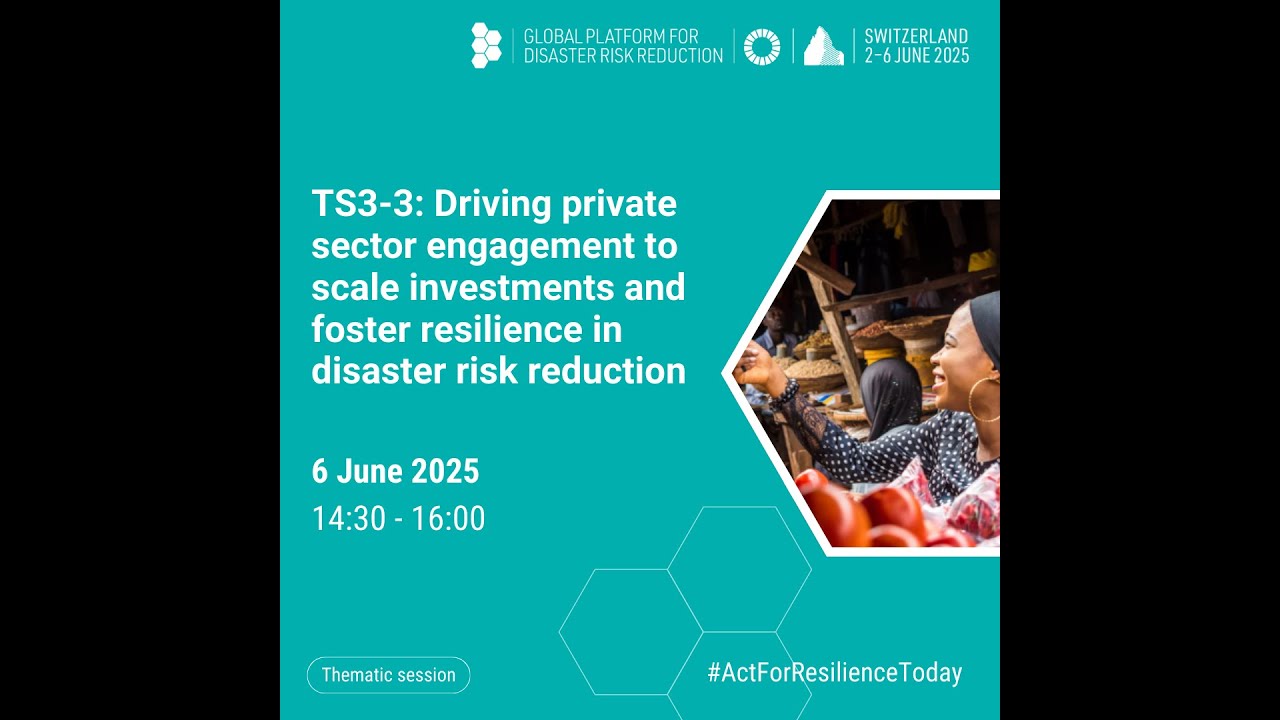
- How to mobilize public-private partnerships for long-term DRR investments.
- The pressing need to prioritize financing for low-income nations.
Technology: Tools for Tomorrow’s Disasters
From drone-assisted disaster response to blockchain-backed relief distribution, technology is redefining disaster risk management. GP2025 will showcase:
- How Fiji’s early warning systems serve as a model for island nations.
- The risks of the digital divide—ensuring DRR technologies remain inclusive and equitable.
Community Resilience: No One Left Behind
Disaster resilience is strongest when it is built from the ground up. Sessions will amplify the voices of:
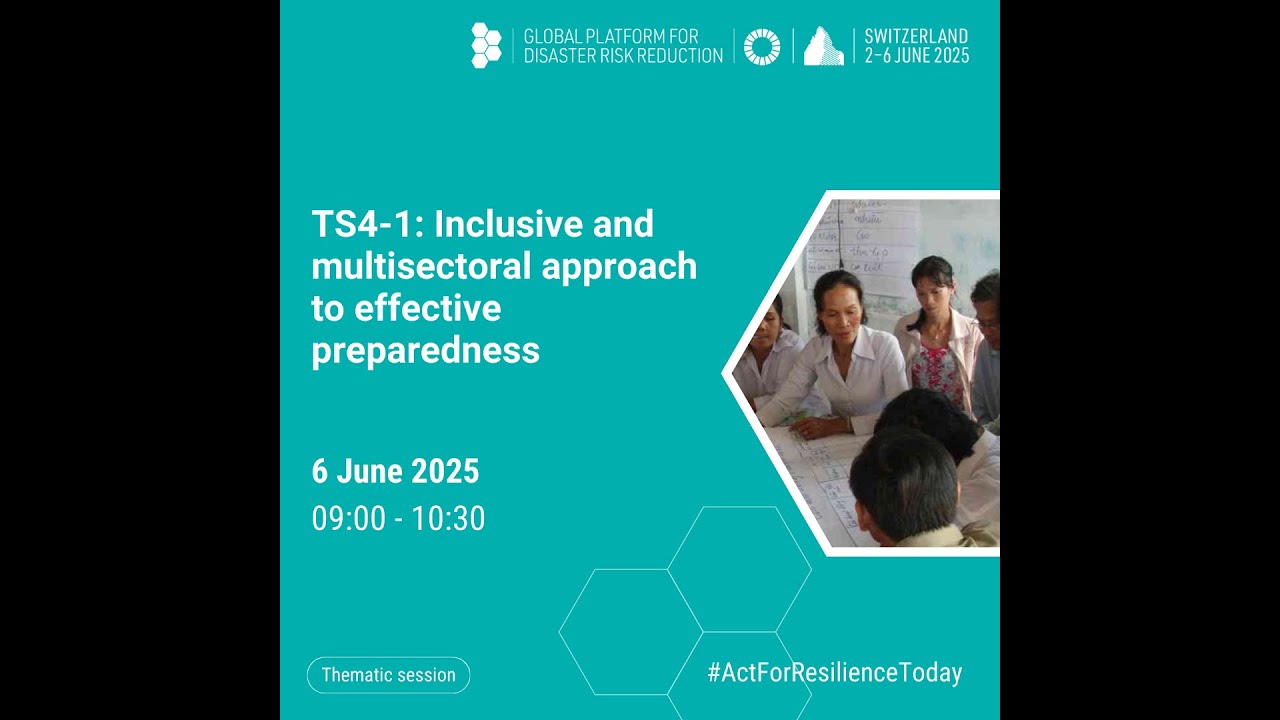
- Women, youth, and persons with disabilities, ensuring DRR policies reflect their unique vulnerabilities and strengths.
- Displaced communities, addressing the intersection of climate migration and disaster risk.
- Indigenous knowledge systems, which offer time-tested resilience strategies.
The Big Picture: Resilience in a Changing World
The countdown to 2030 is ticking. Climate change is intensifying, urbanization is accelerating, and inequality is deepening disaster vulnerabilities. With these mounting challenges, the question is no longer if disasters will strike, but how prepared we are to withstand them.
As GP2025 approaches, one thing is clear: words alone won’t cut it anymore. The platform must translate discussions into commitments, investments, and concrete action.
Will the world step up, or will we continue to chase disasters instead of preventing them?
Discover more from The Global Centre for Risk and Innovation (GCRI)
Subscribe to get the latest posts sent to your email.